
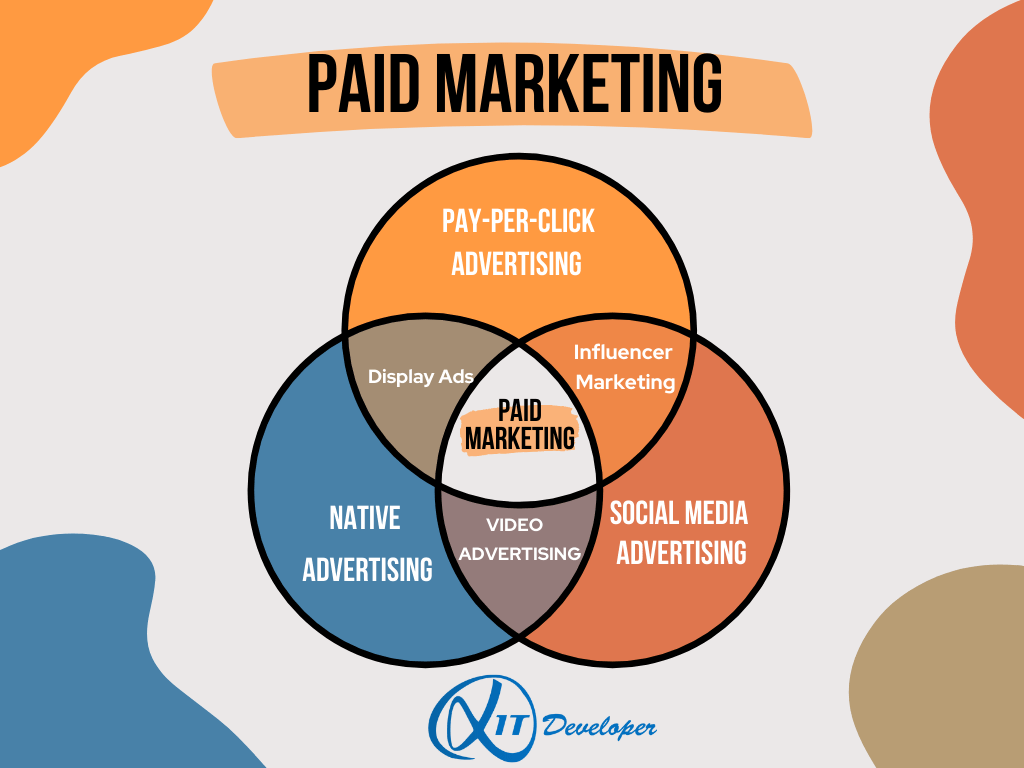
In today’s competitive digital landscape, businesses strive to reach their target audiences effectively. Paid marketing has emerged as a powerful tool to accelerate growth and achieve specific business objectives. But what exactly is paid marketing, and how can it help your business thrive? In this comprehensive guide, we’ll explore the ins and outs of paid marketing, its benefits, and actionable strategies to align with your business goals.
What is Paid Marketing?
Paid marketing refers to the practice of promoting your business, products, or services through paid channels. This includes online ads, sponsored content, pay-per-click (PPC) campaigns, and other forms of advertising where businesses pay to display their message. Unlike organic marketing, paid marketing ensures that your content is visible to your target audience almost instantly.
Why is Paid Marketing Important for Businesses?
Paid marketing offers businesses a quick and effective way to increase brand visibility, generate leads, and drive conversions. Key benefits include:
- Immediate Results: Unlike organic strategies that take time to show impact, paid marketing delivers quick visibility and engagement.
- Targeted Reach: Advanced audience targeting ensures your ads reach the right people, at the right time.
- Scalability: Whether you’re a small business or an established brand, paid campaigns can be scaled to suit your budget.
- Measurable ROI: Tools like Google Ads and Facebook Ads provide detailed analytics to track performance.
Types of Paid Marketing
Paid marketing encompasses various forms of advertising. Here are some popular types:
1. Pay-Per-Click (PPC) Advertising
PPC ads appear on search engines like Google and Bing. You only pay when someone clicks on your ad.
2. Social Media Advertising
Platforms like Facebook, Instagram, LinkedIn, and Twitter offer targeted ad options, allowing you to reach specific demographics based on location, interests, and behaviors.
3. Display Ads
These are visually engaging ads that appear on websites and apps, often in the form of banners or pop-ups.
4. Native Advertising
Native ads blend seamlessly with content on platforms, providing a non-intrusive experience for users.
5. Influencer Marketing
Collaborating with influencers to promote your products or services can also be a form of paid marketing.
Setting Goals for Paid Marketing Campaigns
Before launching a campaign, it’s essential to define your business goals. Some common objectives include:
- Brand Awareness: Use paid marketing to increase visibility and familiarize your target audience with your brand.
- Lead Generation: Capture leads through well-designed landing pages and compelling call-to-actions (CTAs).
- Sales and Conversions: Focus on driving purchases and conversions through targeted campaigns.
- Customer Retention: Use retargeting ads to re-engage existing customers and foster loyalty.
Steps to Create an Effective Paid Marketing Strategy
Here’s a step-by-step guide to crafting a winning paid marketing strategy:
1. Understand Your Audience
Research your target audience to identify their preferences, behaviors, and needs.
2. Choose the Right Platforms
Select advertising platforms that align with your business goals. For instance, use Google Ads for search intent and Instagram Ads for visual storytelling.
3. Set a Budget
Determine how much you’re willing to spend and allocate your budget across campaigns strategically.
4. Craft Engaging Ad Copy
Create clear, concise, and compelling ad content that resonates with your audience.
5. Optimize for Mobile
Ensure your ads and landing pages are mobile-friendly, as most users access the internet via mobile devices.
6. Monitor and Adjust Campaigns
Use analytics to track performance and refine your strategy based on data insights.
Best Practices for Paid Marketing
1. Focus on Quality Over Quantity
Prioritize well-targeted ads over flooding multiple channels with generic messages.
2. Leverage Retargeting Ads
Re-engage users who have shown interest in your offerings but haven’t converted.
3. A/B Testing
Test different versions of your ads to identify what resonates most with your audience.
4. Use Compelling CTAs
Encourage users to take action with clear and persuasive call-to-actions like “Buy Now,” “Learn More,” or “Subscribe.”
5. Stay Updated on Trends
Digital marketing evolves rapidly. Stay informed about new tools, trends, and platform updates.
Measuring Success in Paid Marketing
To ensure your paid marketing efforts are successful, track key performance indicators (KPIs), such as:
- Click-Through Rate (CTR): Measures the effectiveness of your ad copy.
- Cost-Per-Click (CPC): Indicates how much you’re spending per ad click.
- Conversion Rate: Tracks the percentage of users completing desired actions.
- Return on Ad Spend (ROAS): Evaluates the profitability of your campaigns.
Conclusion
Paid marketing is a powerful tool that can help businesses achieve their goals quickly and effectively. By understanding your audience, choosing the right platforms, and consistently monitoring campaign performance, you can optimize your paid marketing strategy for maximum impact.
For professional assistance with paid marketing and other digital solutions, feel free to reach out to KitDeveloper.
Contact Information
- Phone: +91-8683-8644-83
- Email: info@kitdeveloper.com
- Address: D-268, Second Floor, Gali No.6, West Vinod Nagar, New Delhi, 110092
- Website: kitdeveloper.com
 KitDeveloper